


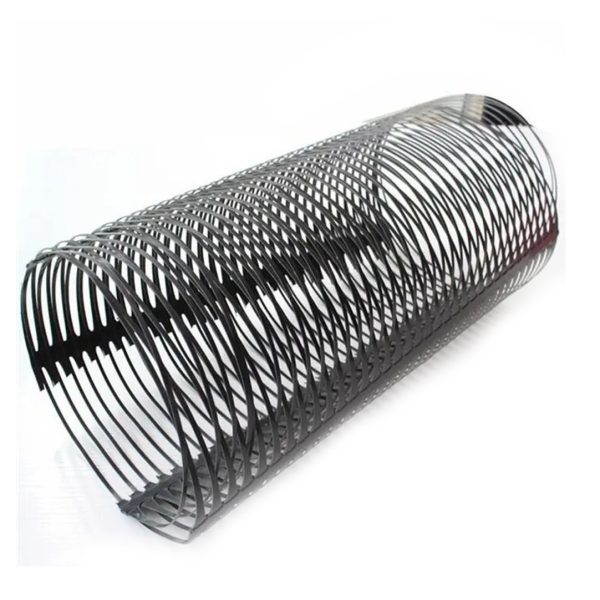
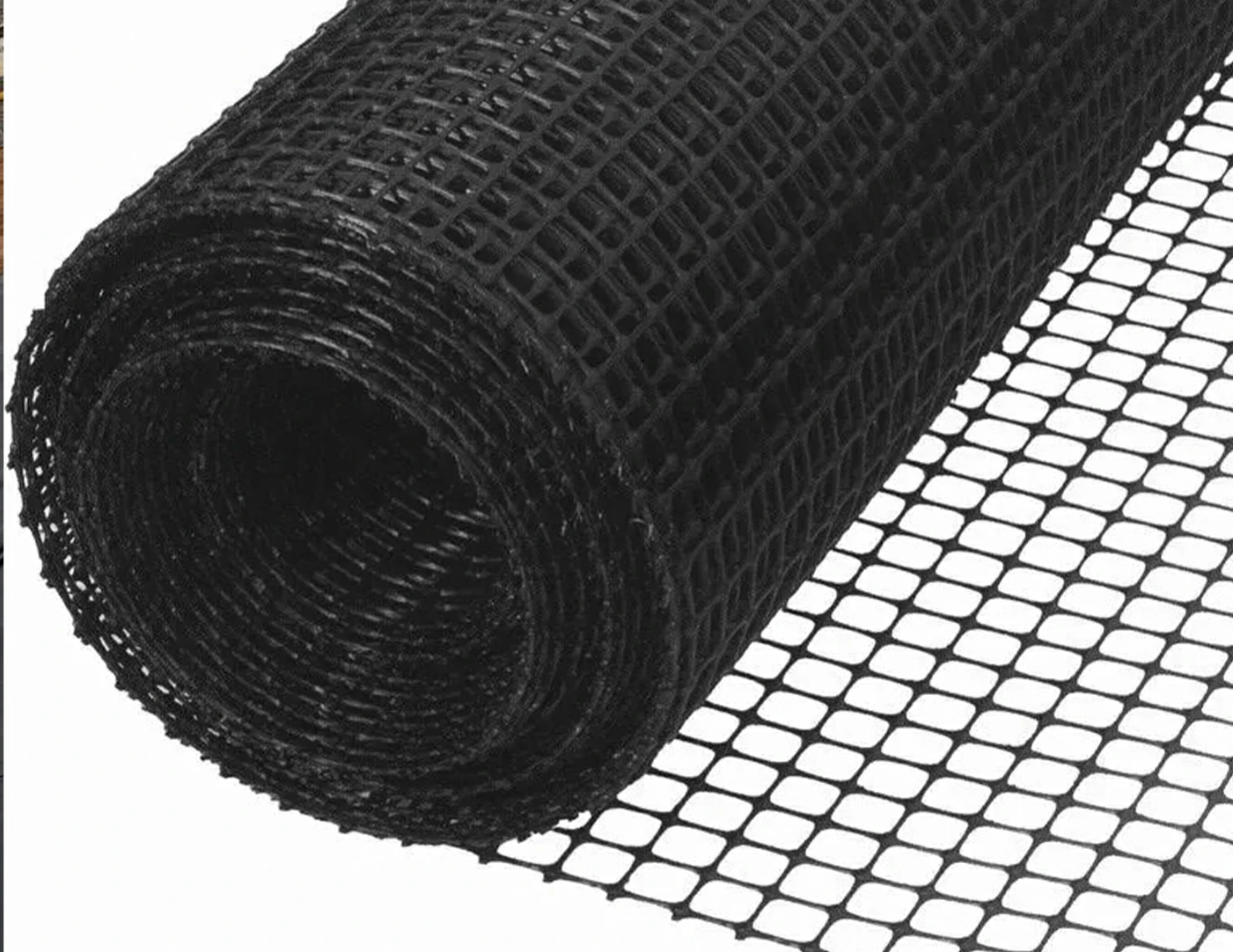

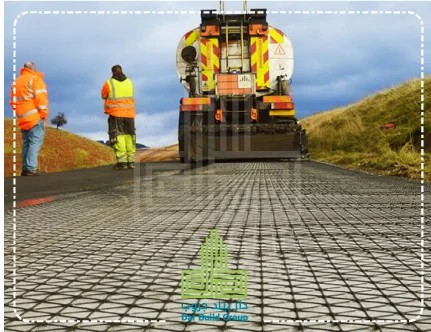
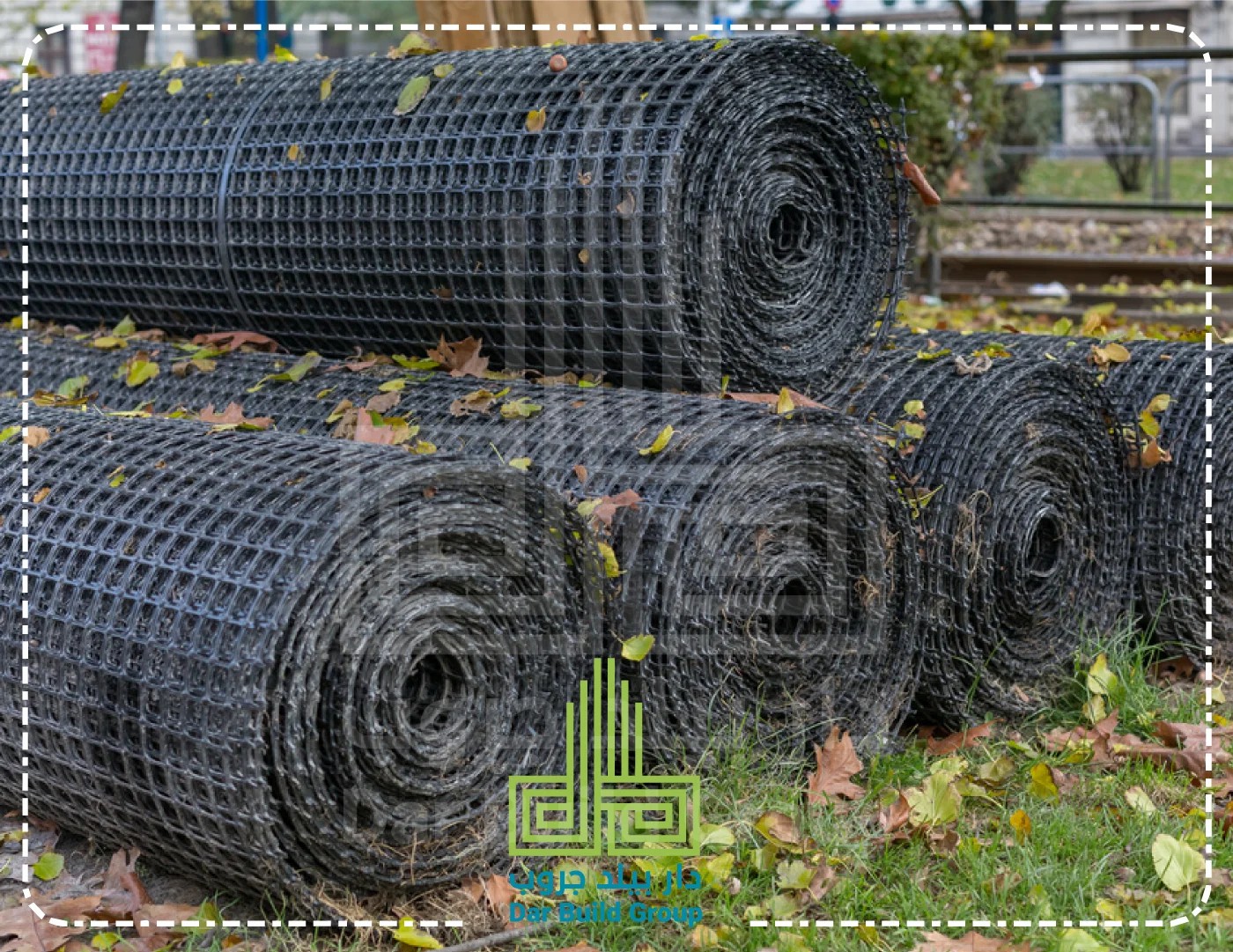
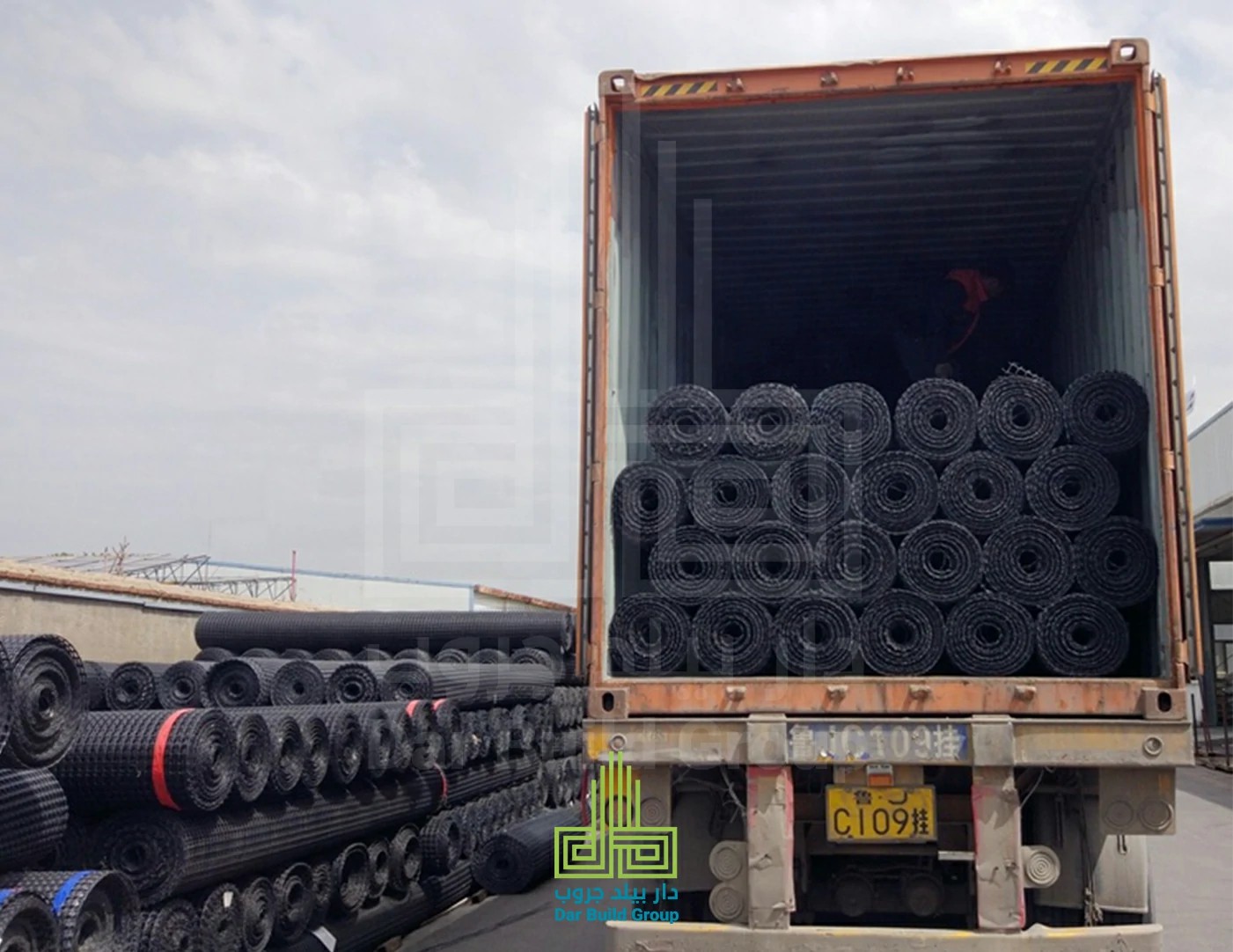

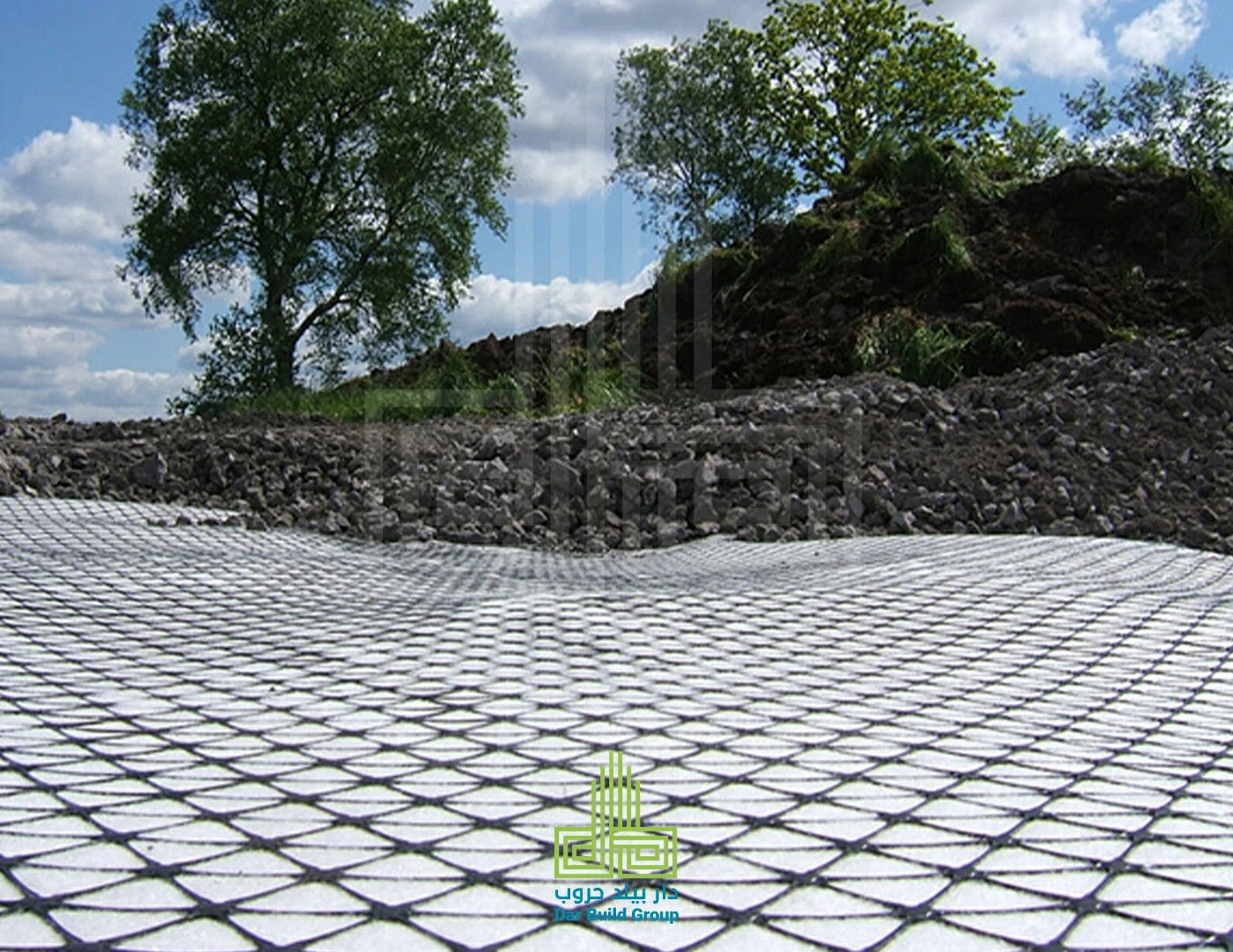
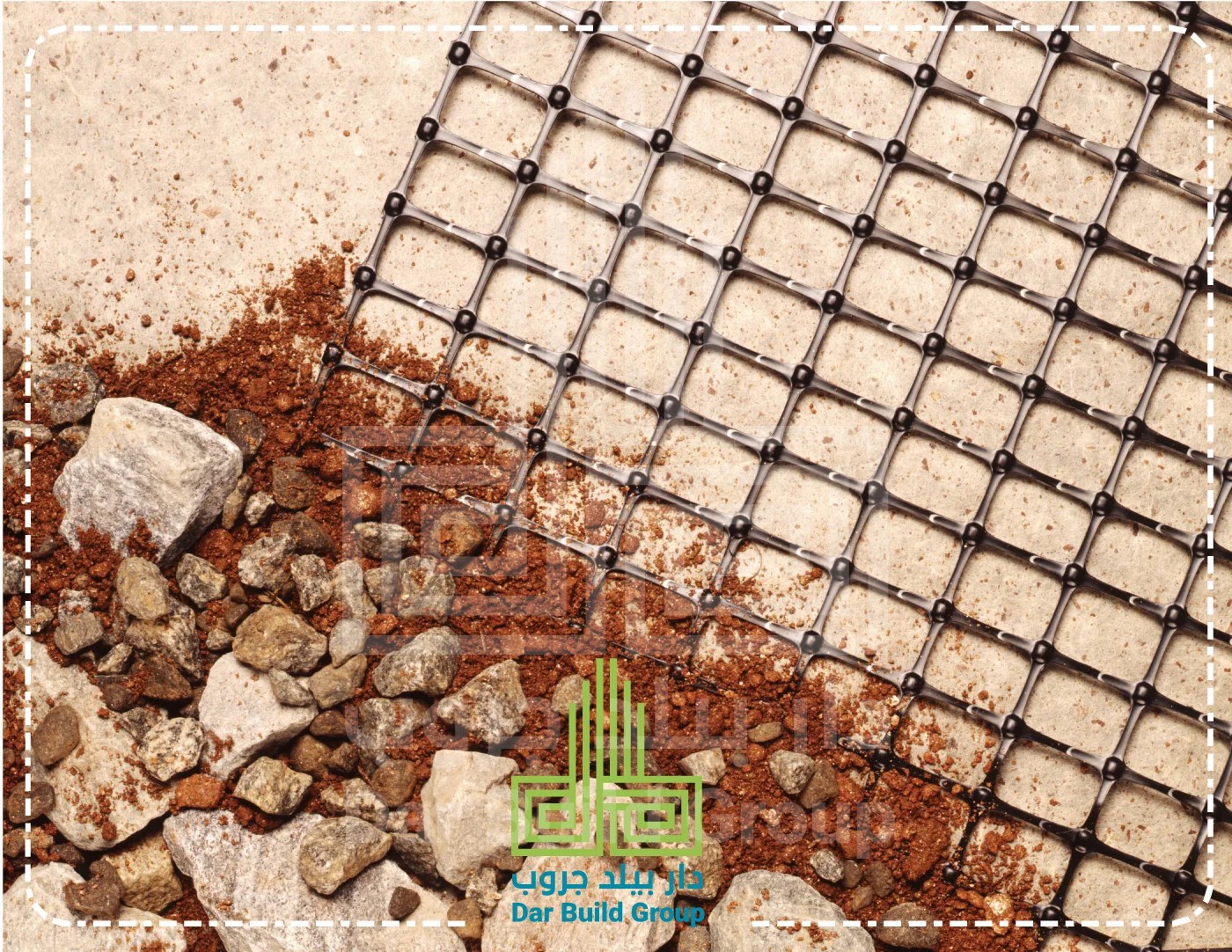
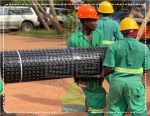
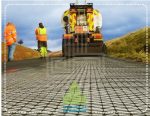
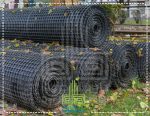
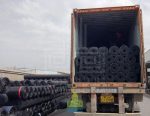

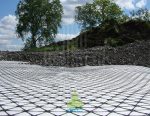

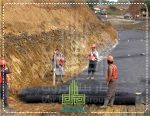
Geogrid It is an engineered mesh made of high-strength polymers, used to strengthen soil and stabilize floors in construction and road projects. It is one of the most important modern solutions for improving soil performance and reducing settlement and erosion.
A geogrid is a high‑strength polymeric engineering mesh used to reinforce soil and stabilize ground layers in construction and road projects. It is one of the most advanced solutions for improving soil performance, reducing settlement, and minimizing erosion.
Polyester (PET)
High‑density polyethylene (HDPE)
Fiberglass
Open mesh design allowing soil particle interlock
Uniaxial Geogrid – reinforcement in one direction
Biaxial Geogrid – reinforcement in two directions
High tensile and compressive strength
Resistant to abrasion, chemicals, and moisture
Reinforcement of asphalt road layers
Stabilization of slopes and retaining walls
Strengthening weak soils in foundations
Railway and airport projects
Landfills and industrial zones
Reduction of reflective cracking in pavements
Increases soil bearing capacity
Reduces settlement and construction costs
Extends the lifespan of ground structures
Easy to install, saving time
Cost‑effective alternative to concrete or metal in certain applications
Select the geogrid type according to the required force direction
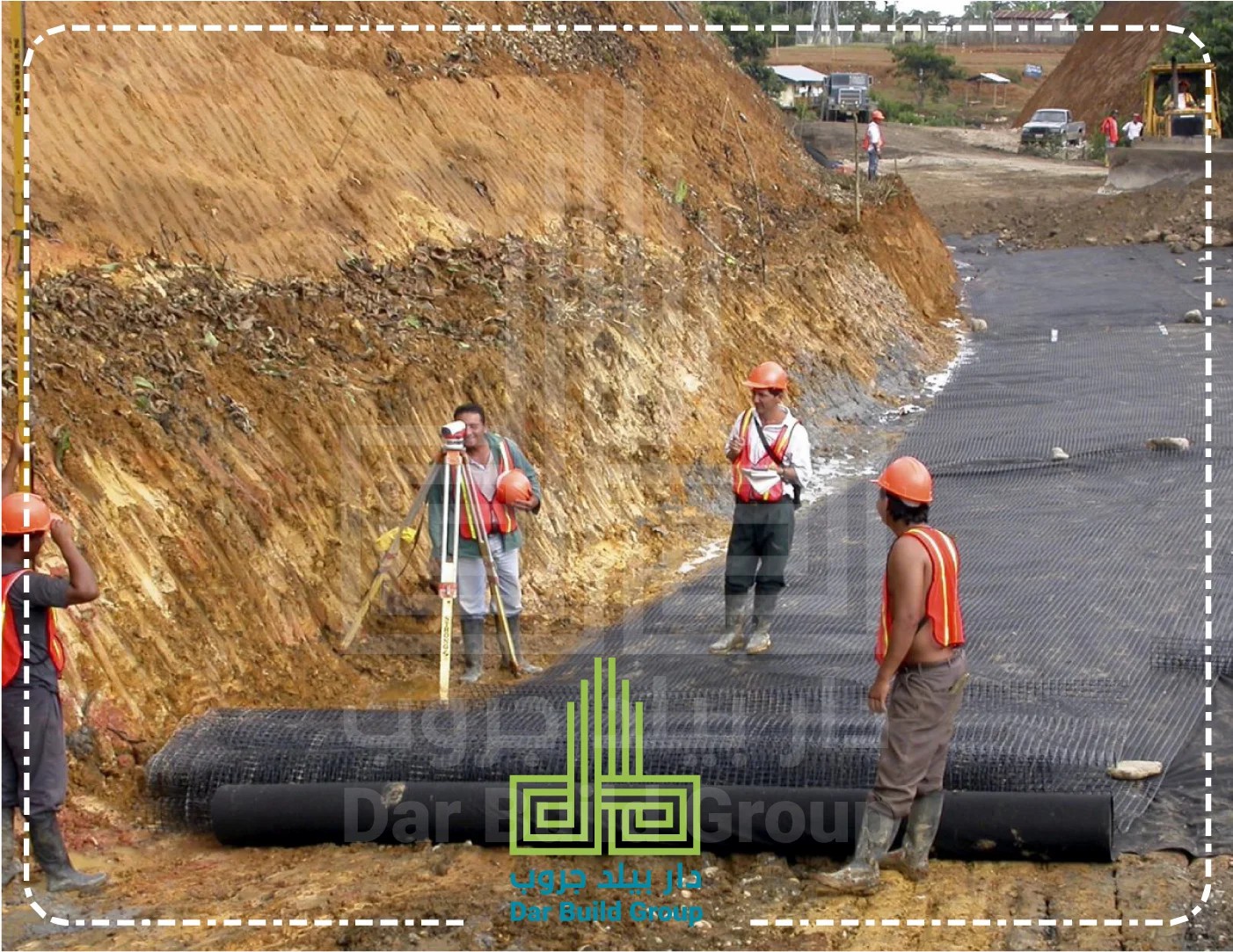
Install between fill or foundation layers as per design
Recommended for sites with soft or unstable soils
Should be installed by specialized technicians to ensure optimal performance
See also: Uniaxial Geogrid