




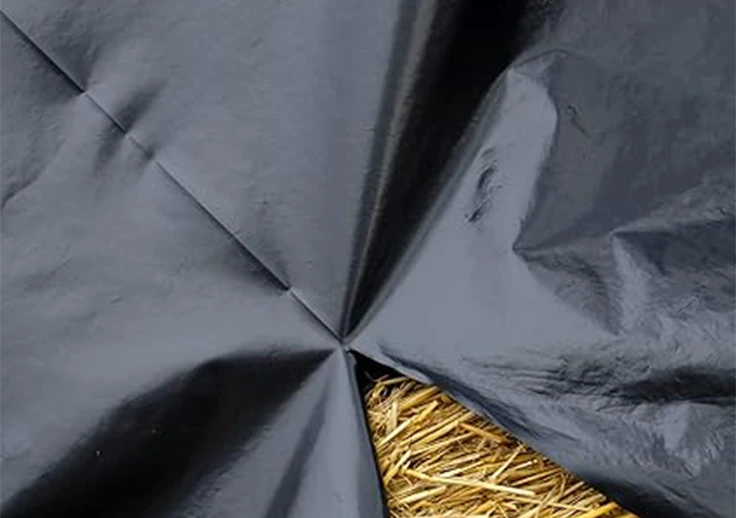
Polyethylene tarpaulin
It is a flexible plastic membrane used for insulation and protection, made of pure polyethylene. It is characterized by its high resistance to water, humidity and weather conditions, making it suitable for use in agricultural, construction and industrial applications.
Overview
Polyethylene tarpaulin is one of the most widely used insulation and protection materials in various fields.
This is due to its lightweight nature, ease of installation, and high durability.
Two types are available: high-density polyethylene (HDPE), which is strong and durable, and low-density polyethylene (LDPE), which is flexible and easy to use.
It is used to protect surfaces and floors from moisture and water.
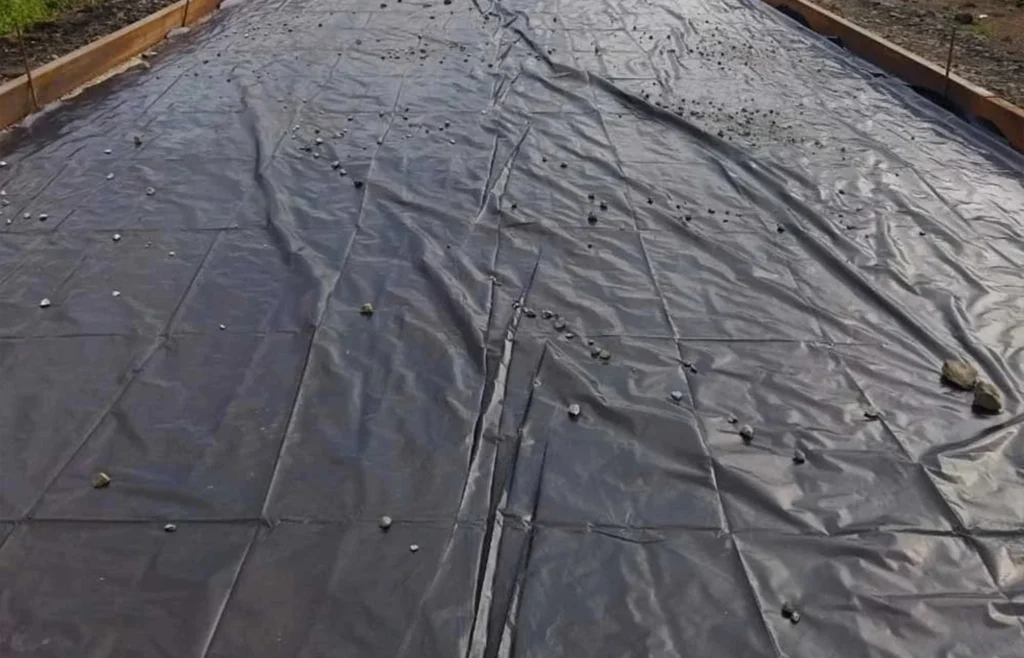
Technical specifications
Made from pure polyethylene for durability and tear resistance.
Available in various densities (high and low density) to suit different application requirements.
Water, moisture, and mild chemical resistant.
It features a smooth surface that prevents dust and impurities from adhering.
It withstands varying temperatures and different storage conditions.
It is available in multiple thicknesses and colors to suit all applications.
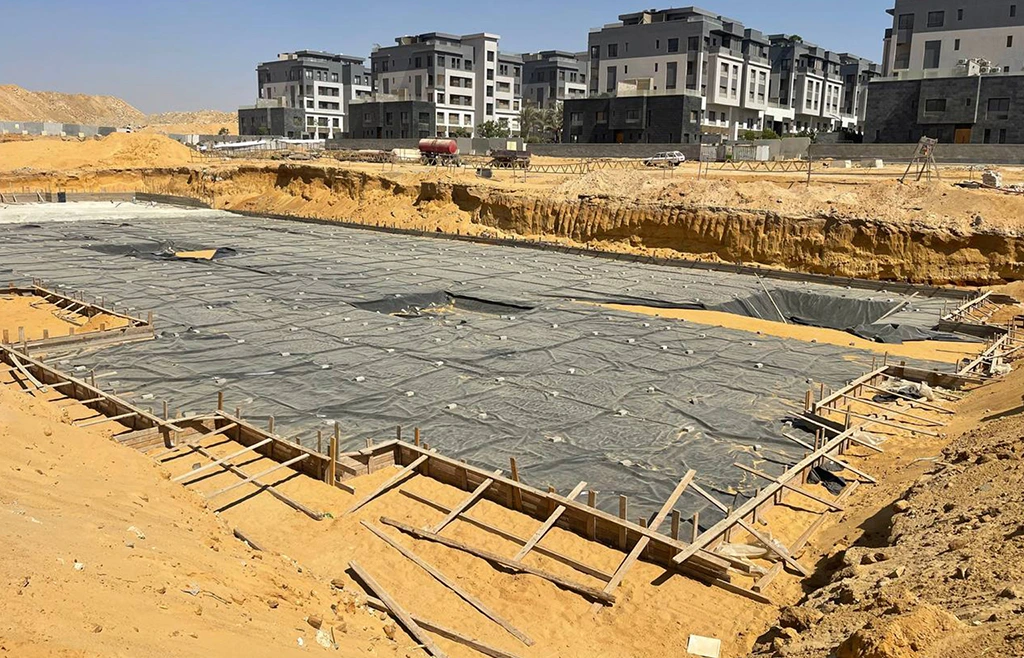
Areas of use
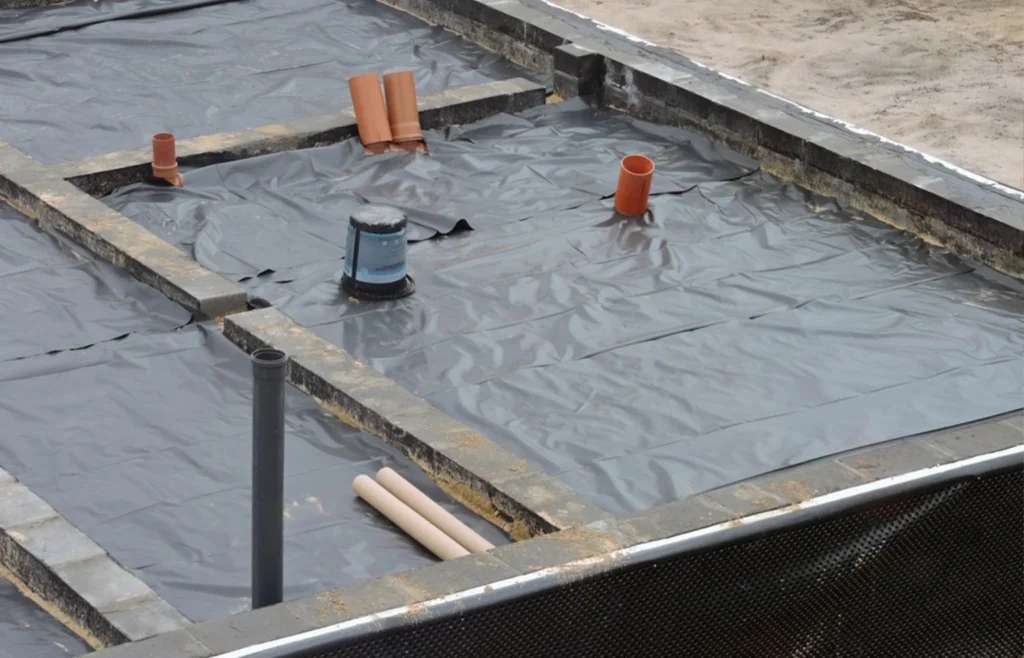
It is used in waterproofing roofs and foundations.
It is used to cover building materials to protect them from dust and moisture.
It is used in agriculture, such as covering greenhouses and maintaining soil moisture.
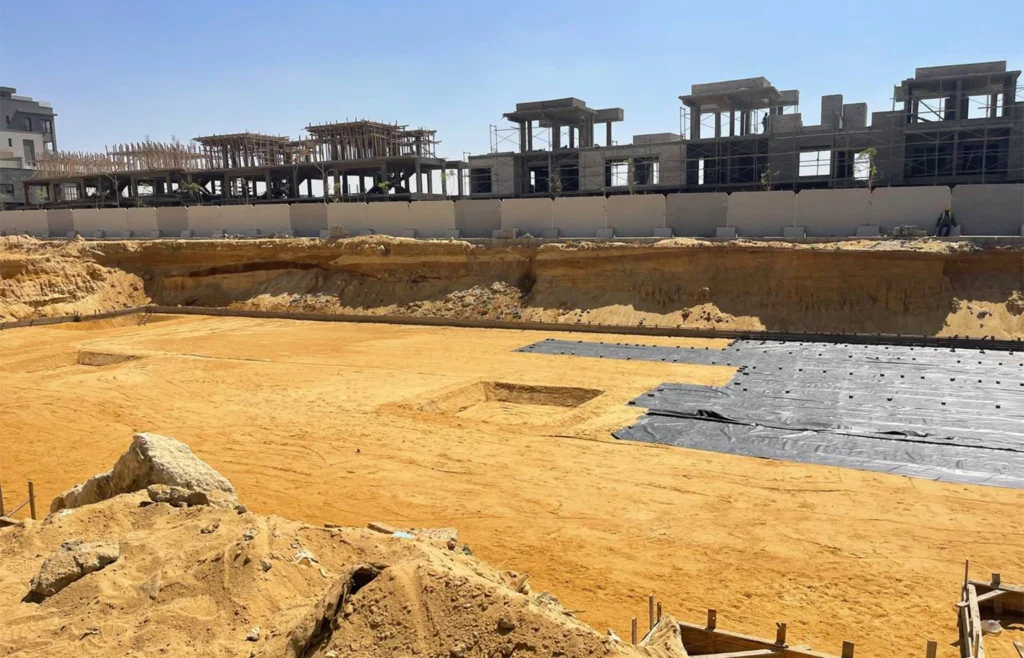
It is used as a substrate under floors and concrete to protect insulation.
It is suitable for packaging and wrapping industrial products.
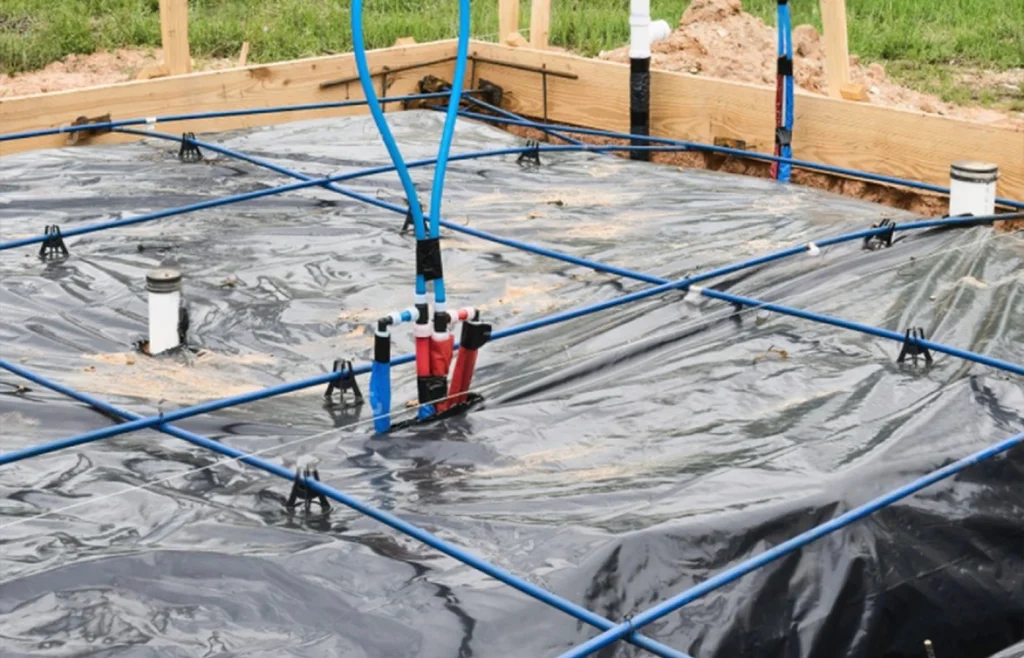
How to use and apply
1. Preparing the surface or material to be covered
Clean the surface of dust, oil, and excess moisture.
Ensure the concrete or material is dry before application.
If using a liner, it is recommended to level and smooth the floor to prevent tearing of the linoleum.
2. Laying the tarpaulin
Carefully lay the tarpaulin on the desired surface without excessive stretching.
Ensure an overlap of at least 10–20 cm between the strips.
For lining or insulation, it is recommended to use two overlapping layers for added protection.
3. Installation
Attached using special adhesive, heat-sealed tape, or ground stakes, depending on the project type.
In agricultural applications, side drilling or weights are used to secure the ends.
For equipment coverings, secured using ropes or tensile strength clamps.
4. Protection and Finishing
The tarpaulin is covered with a protective layer (sand, gravel, tiles) in the case of ground insulation.
Avoid exposing it to sharp objects or direct heat.
Store in a shaded, dry place away from direct sunlight before use.
Product features
It features high tensile strength and durability, making it resistant to tearing and punctures.
It offers excellent water and moisture resistance, making it ideal for insulation and covering applications.
It is flexible and easy to shape and install in various applications.
It withstands varying temperatures and weather conditions without significant impact.
Its lightweight design facilitates transport and use on construction sites.
It is available in different densities and colors to suit diverse needs (such as high and low density).
Storage and shelf life
Polyethylene tarpaulin should be stored in a dry, well-shaded place away from direct sunlight and heat sources, ensuring it is placed on a level surface.
Product unit
Roll


