



Blog
tarpaulin covers

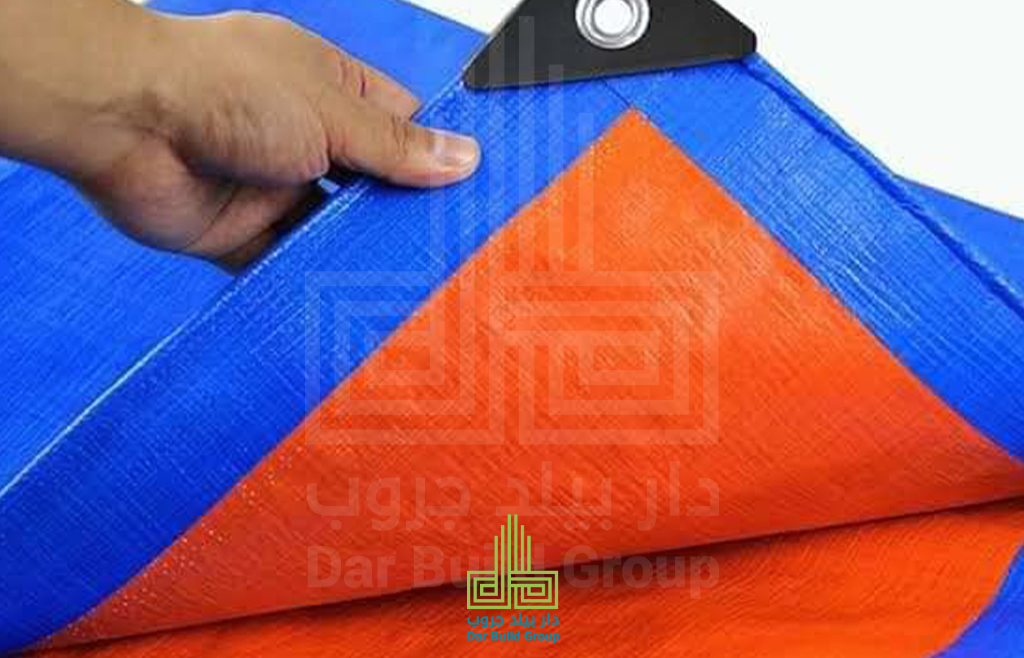
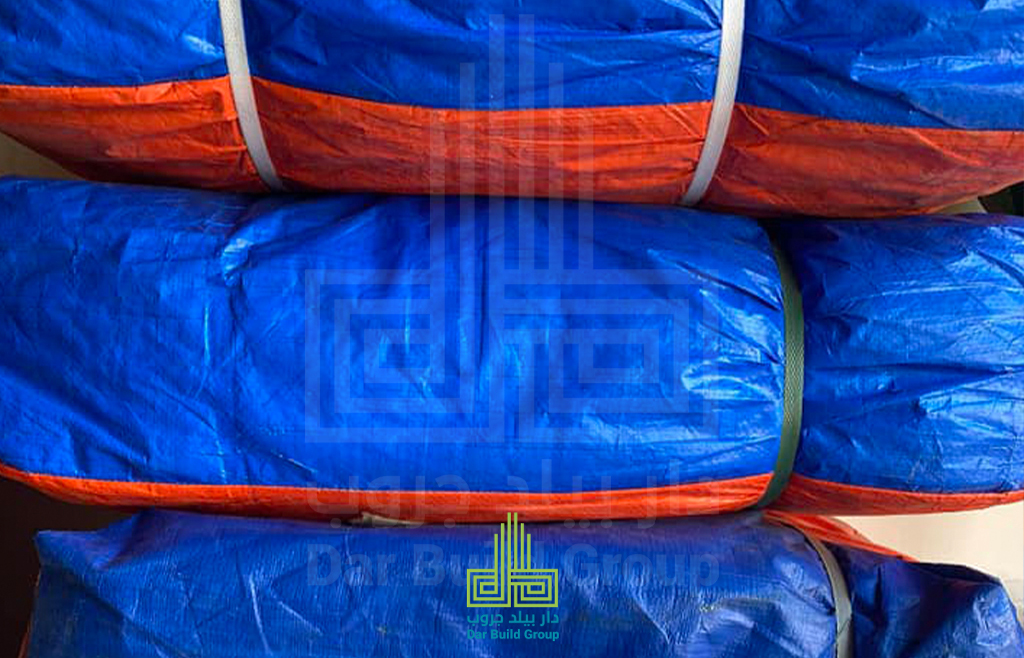
It is a flexible plastic material used to cover surfaces, equipment, and warehouses for the purpose of protection from water, dust, and sunlight.
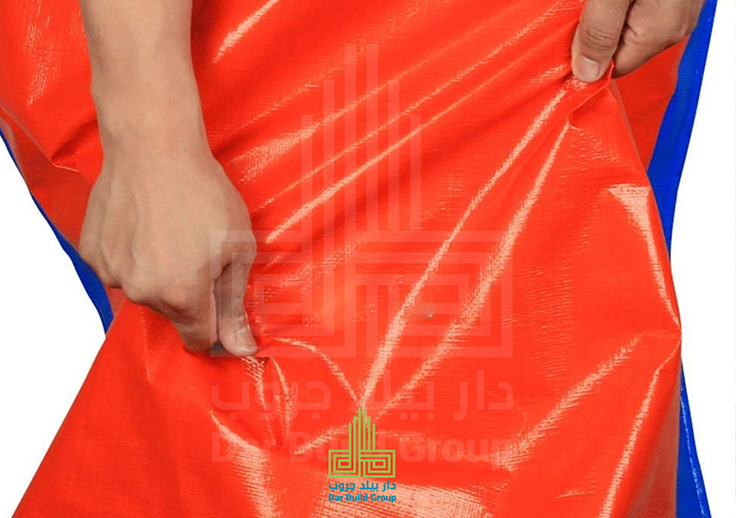
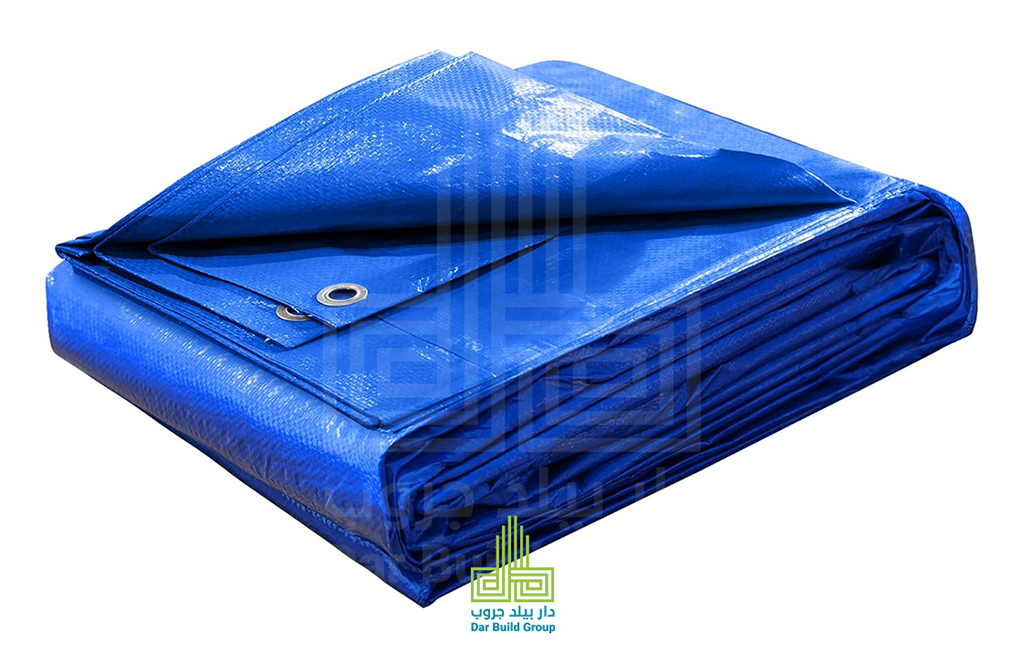
Tarpaulins are essential materials for protection and insulation, providing a strong and durable cover that protects surfaces and equipment from water, dust, and sunlight. Made from high-quality polyethylene, they offer flexibility and high resistance to tearing and weathering. They are available in two colors (orange and blue) to meet various application needs in agriculture, construction, and storage.
Material: High-Density Polyethylene (HDPE) coated with a waterproof and UV-resistant layer.
Thickness: Available from 90 to 230 g/m² depending on usage.
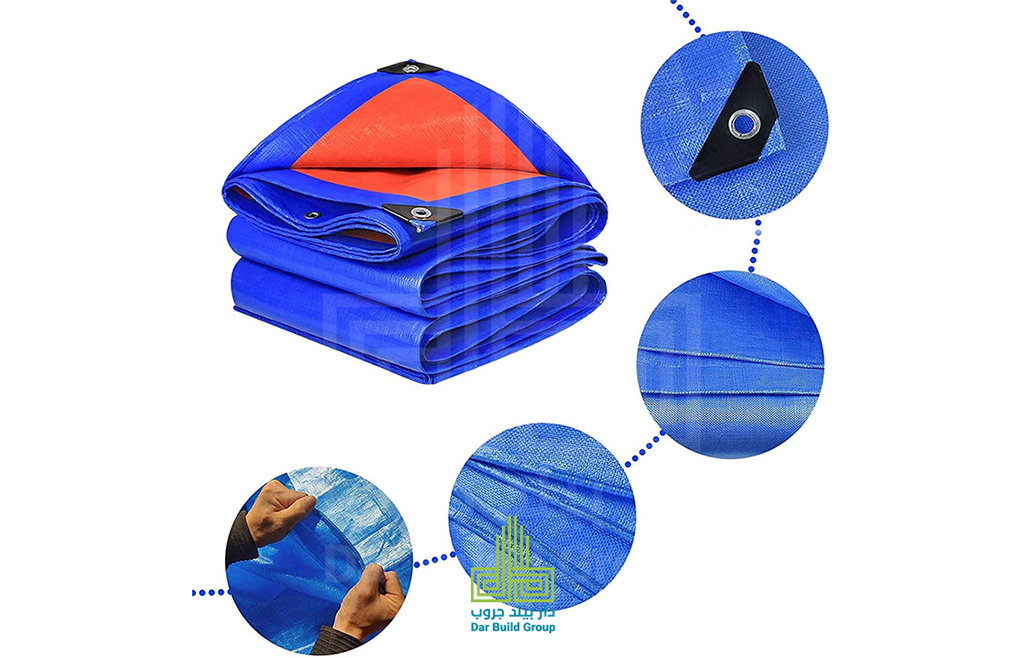
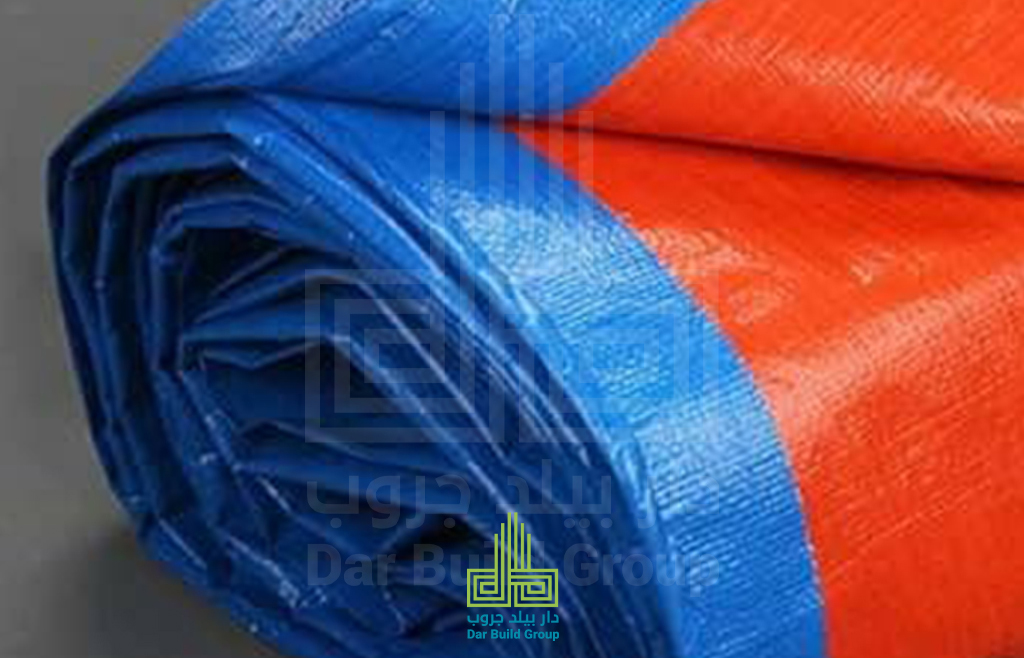
Color: Available in double-sided (Orange × Blue) to suit various applications.
Sizes: Available in multiple sizes upon request (from 2×3 m up to 10×15 m or larger).
Resistance: Resistant to tearing, weather conditions, moisture, and sunlight.
Edges: Reinforced with Polypropylene (PP) rope for increased durability and stability.
Attachment Points: Equipped with metal eyelets (grommets) for easy fastening.
Used to cover goods and products during transport and storage to protect them from rain and sun.
To cover equipment and machinery at construction sites and factories.
On farms to cover fodder, crops, and livestock from the elements.
To cover roofs and buildings during maintenance and painting work.
Used as temporary flooring in exhibitions, warehouses, and campsites.
In boats and trucks to protect cargo during transit.
Also suitable for home use to cover outdoor furniture or for moving.
Determine the required thickness (from 100 microns up to 500 microns or more) based on usage.
Choose the suitable color (Black, Blue, Transparent, etc.) according to the required protection level.
Specify the dimensions based on the load size or the area to be covered.
Clean surfaces or equipment from dust and oils before covering.
Ensure moisture-sensitive materials are dry before wrapping.
For outdoor covering, it is preferred to apply it in calm weather to prevent the sheet from blowing away.
Spread the sheet carefully to ensure full coverage without over-stretching.
Secure using ropes, clips, or waterproof adhesive tape.
Ensure ends and corners are firmly fixed to prevent water or dust infiltration.
Construction Sites: Covering building materials, steel, cement, and equipment.
Farms: Protecting crops, greenhouses, or agricultural machinery.
Transport & Storage: Protecting furniture, floors, or appliances from scratches and moisture.
Trucks & Boats: Used as a protective cover for cargo against rain and sunlight.
After use, clean and dry the sheet thoroughly.
Fold and store in a dry, shaded area away from direct heat.
It can be reused multiple times without loss of efficiency.
Weather & Waterproof: Highly resistant to water and various weather conditions.
Heavy-Duty & Durable: Superior strength against tearing and puncturing.
Lightweight: Easy to install, dismantle, and transport.
Double-Sided (Orange × Blue): Versatile design to suit multiple applications and needs.
Long-Lasting: Maintains material quality and performance even with prolonged use.
It is preferable to store tarpaulin covers in a dry and well-ventilated place away from direct sunlight and heat sources, while keeping them tightly wrapped to ensure they remain in their ideal condition for as long as possible.
Roll


